Model Scout: How Agencies Find, Approach and Protect New Talent
What a model scout does for an agency: where new faces are found, how to approach them, what to look for, safeguarding minors and spotting scams.
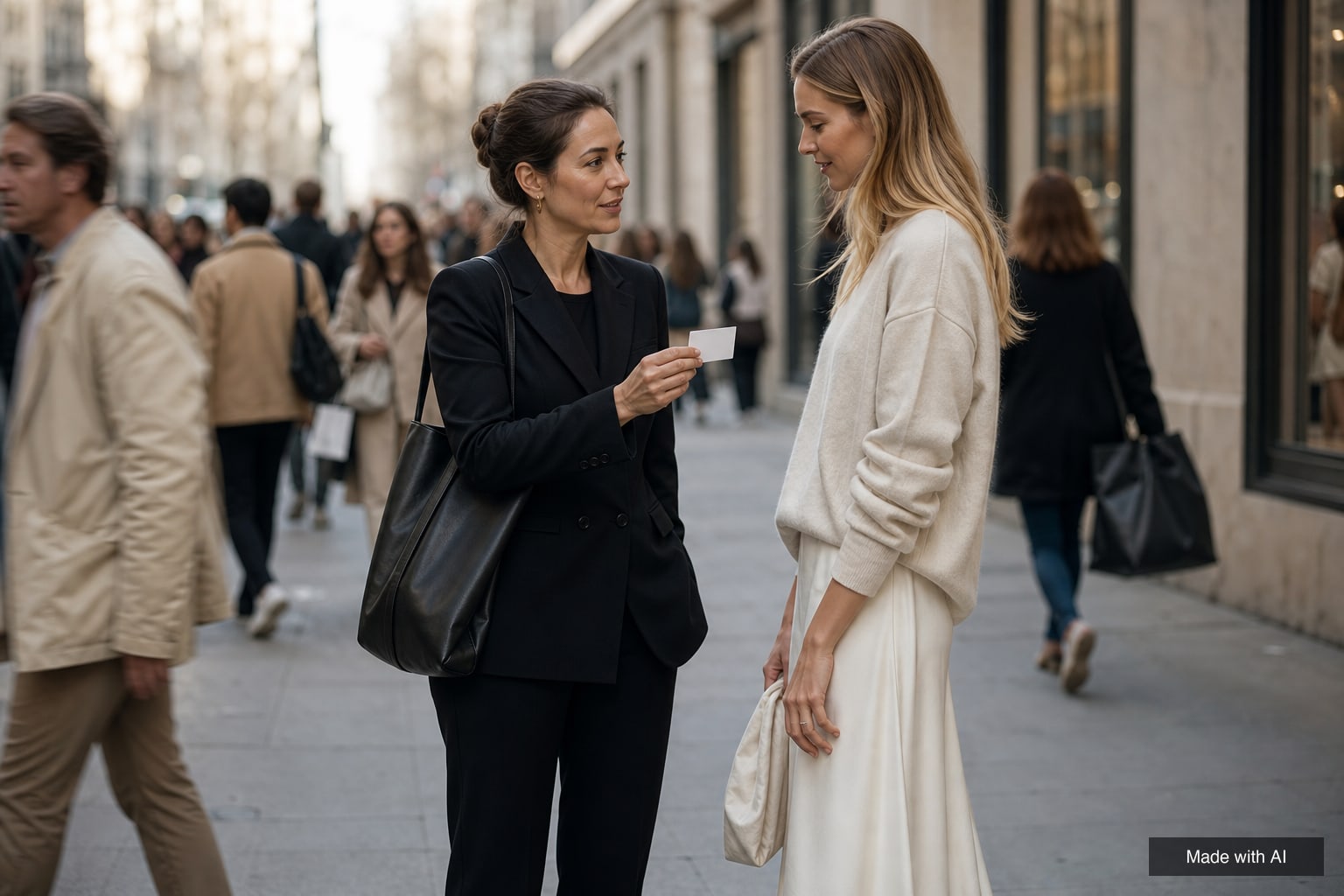
A model scout finds people who could work as models and brings them to an agency. The best scouts combine a sharp eye with patience and good judgment: they notice someone on a train platform, in a school sports team or in an online application, and they know how to start a conversation that feels safe for that person and their family. For an agency, scouting is how the board renews itself, and how a reputation for decent treatment is built or lost.
This guide looks at model scouting from the agency side: what a scout does, where new faces come from, what scouts look for, how to approach people, how to protect minors and personal data, and how to warn the public about the scams that use the word "scout" to take money from hopeful families. If you are building a scouting process from scratch, the step by step section and the diagram give you a working structure.
In short
- A model scout finds and approaches potential talent; the agency's board decides who is signed.
- Talent now comes from the street, online applications, social media, open calls, mother agencies and referrals. Each needs a different level of checking.
- With anyone under 18, the parent or guardian is involved from the first real conversation, and local rules on child work apply.
- Legitimate agencies do not charge people to be scouted or signed. Publish that clearly so impersonators cannot use your name.
What does a model scout do?
A scout's job is to find people with potential and turn a first impression into a well-informed decision. In practice that means spotting candidates, making first contact, collecting basic information and simple photos, and presenting candidates to the agency's director or board. The scout does not normally sign anyone alone. That separation protects both the agency and the candidate from snap judgments.
Scouts may be in-house, often a booker or the agency director who scouts alongside other work, or freelance, working for one or several agencies and paid when a scouted model is signed or starts earning. Many established models were found by a scout at a mother agency, which then developed them and placed them in larger markets. That development role is why scouting is closely tied to the mother agency business model.
Where do model scouts find new talent?
Most agencies use several channels at once. Each brings different candidates and needs a different amount of checking.
| Channel | What it brings | What to check |
|---|---|---|
| Street and events | People who never thought of modeling; strong first impressions in person | Age, whether a parent must be contacted, that the approach was calm and public |
| Online applications | High volume of candidates who chose to apply | Real photos, age, consent for data use, duplicate or fake profiles |
| Social media | Candidates with an existing audience or a distinctive look | Identity, age, how you contact them, what you keep from their profile |
| Open calls | Many people seen in one day, with fair and visible selection | Safeguarding, privacy in the room, clear follow-up |
| Mother agencies and partners | Developed talent with portfolios and a track record | Contract status, existing exclusivities, commission terms between agencies |
| Referrals | Candidates recommended by models, photographers or clients | Same checks as any other channel; a referral is not a vetting |
Street and event scouting
Street scouting still produces unexpected faces, because it reaches people who would never apply. It also carries the highest risk of misunderstanding. A stranger approaching a teenager in public can look exactly like the scams families are warned about. Your scouts need visible identification, a printed card that points to your official website, and a rule that they never take a phone number from a minor without the parent's involvement.
Online applications and social media
Most agencies now receive more candidates online than any other way. An application form on your own website gives you consistent information and a clear record of consent. Agency OS, for example, offers an embedded application form for your website, so applications are collected in one place next to your model profiles rather than scattered across inboxes (see a demo). When you approach someone on social media, use the agency's verified account, not a scout's personal one, and point them to your website to apply.

Open calls, mother agencies and referrals
An open call lets you see many people in a day with a fair, visible process. Our guide to running an open casting call covers the brief, locations, safeguarding and follow-up. Partner and mother agencies bring developed talent, but the scouting decision then includes contract checks: who holds exclusivity, in which territory, and how commission is shared.
What do model scouts look for?
There is no single checklist, because expectations vary by market, by division and by client. Fashion boards, commercial boards, fitness, plus-size, mature and kids divisions each look for something different. Scouts commonly consider:
- Look and presence: a face or a way of moving that photographs well and fits the agency's board and clients.
- Proportions for the division: fashion clients often work to sample sizes and height expectations that vary by market; commercial divisions are usually broader. Measure honestly and never pressure anyone to change their body.
- Skin, hair and teeth in natural light: seen in plain digitals, not in filtered photos.
- Attitude and reliability: punctuality, how they handle feedback, whether they want this or someone else wants it for them.
- Availability: school, studies or work commitments, and whether they can travel.
Photos should be simple: front, profile and full length, no makeup or very little, fitted plain clothing, natural light. The model-side version of this is covered by our sister magazine's guide to building a modeling portfolio, which is useful to send to candidates who ask what to prepare.
How to approach a potential model
The first contact sets the tone for everything that follows. A good approach is short, public and low pressure.
- Introduce yourself by name and agency, and show identification.
- Say briefly why you approached them, without promises about money or fame.
- Give a card with the agency's official website and general contact details.
- Invite them to visit the agency or apply online, and say they are welcome to bring a parent, partner or friend.
- If they appear to be under 18, ask for a parent's contact or give your card for the parent; do not continue the conversation privately with the minor.
- Do not ask for photos on the spot, for social media handles to message privately, or for any payment.
Afterwards, record the approach: where, when, who, and what was agreed. If a family calls the agency to check, anyone answering the phone should be able to confirm the scout is genuine.
Scouting minors: safeguarding first
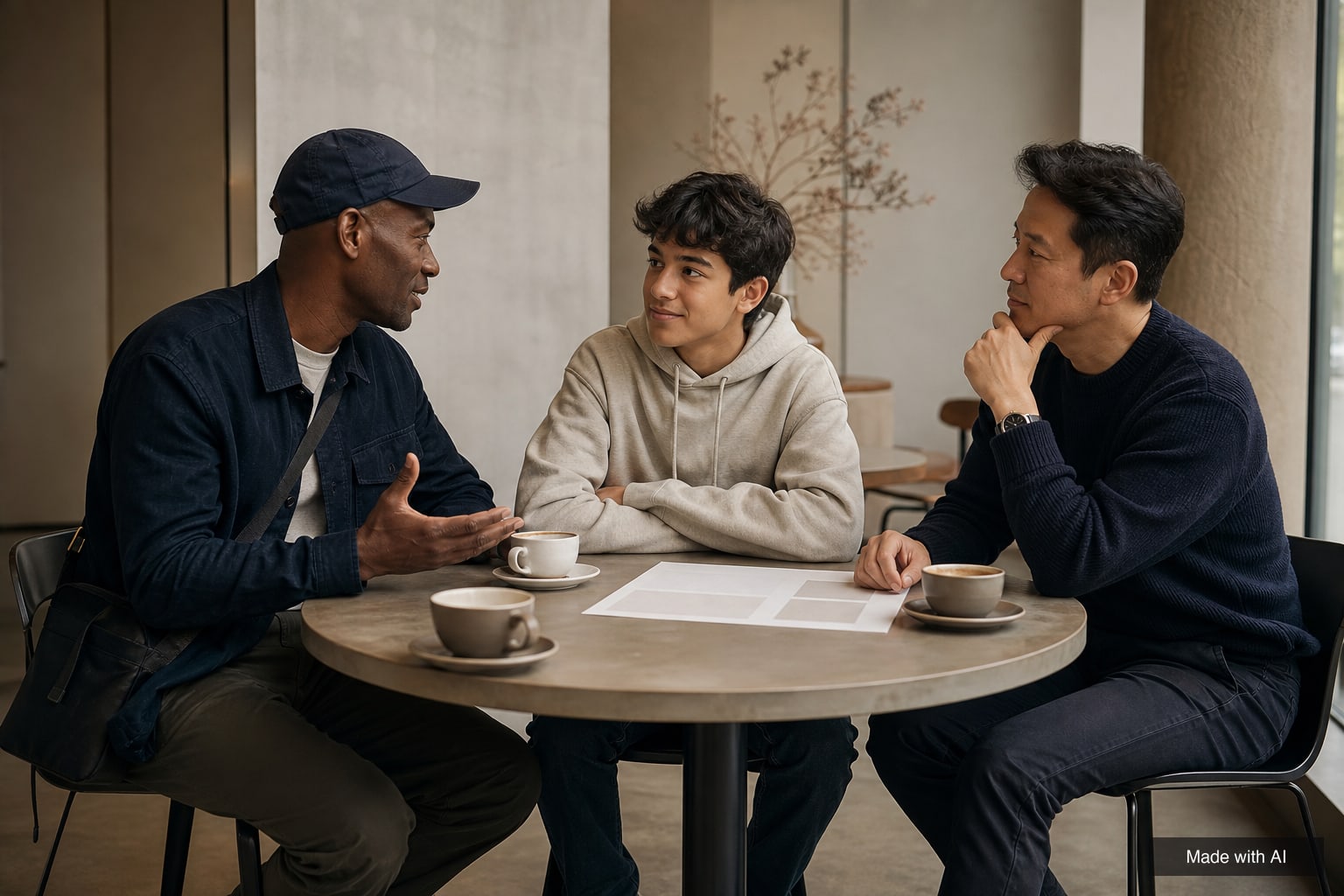
Many careers start in the teenage years, which is why scouting minors needs written rules, not good intentions. The parent or legal guardian should be involved from the first real conversation, attend every meeting and test, and sign any agreement on the child's behalf.
The law adds formal requirements. In the EU, Directive 94/33/EC requires prior authorization from the competent authority before children are employed for performance in cultural, artistic, sports or advertising activities, with national law setting the details. In England, Wales and Scotland, section 37 of the Children and Young Persons Act 1963 requires a local authority license where a child works as a model and payment is made beyond expenses. US rules vary by state. Your agency should know the rules in each place where your scouted models will work, and have them confirmed locally.

Practical rules that agencies commonly adopt for minors:
- No one-to-one meetings with a minor; meetings at the agency or in a public place with a parent present.
- No messaging minors directly; communication goes through the parent.
- Digitals taken at the agency, fully clothed, with a parent in the room.
- School comes first: no bookings or tests that conflict with school hours unless local rules and the parent allow it.
- A named safeguarding lead at the agency whom parents can contact.
Data protection when you scout
Scouting creates personal data: photos, names, ages, measurements, contact details, sometimes notes about appearance. In the EU, the GDPR (and the UK's own retained version of it) requires that personal data be limited to what is necessary for the purpose and kept no longer than needed. In practice:
- Collect only what you need to decide whether to invite someone further.
- Tell candidates what you store, why and for how long, in the application form or a linked privacy notice.
- Set a retention period for rejected candidates and delete their photos and details when it expires.
- Do not copy images from someone's social media into your database before they have agreed to apply.
- Limit who in the agency can see candidates, especially minors.
If a candidate is later signed, their data moves into the model profile under the terms of the talent management agreement.
Modeling scams: what to warn people about
The word "scout" is widely used by scams, and every genuine agency suffers from it. The US Federal Trade Commission warns that legitimate agencies do not ask people to pay for a test shoot, for photographs or to "secure a spot", that scammers promise guaranteed work and high pay, insist on their own photographers, rush people into signing and cannot show real client lists. It advises never paying upfront fees and being wary of demands for payment by gift card, wire transfer or cryptocurrency.
The law supports the same message in other markets. In the UK, section 6 of the Employment Agencies Act 1973 restricts agencies from charging work-seekers fees for finding them work. In New York, a model management company may not require a deposit or collect a fee for signing a contract.
Protect your name and the public with a short, visible statement on your website: you never charge to be scouted, to attend an open call or to sign; your scouts carry identification and their names can be checked by phone; you contact minors only through their parents; and your official social accounts are listed. Ask the public to report impersonators to you.
How to run a scouting process, step by step
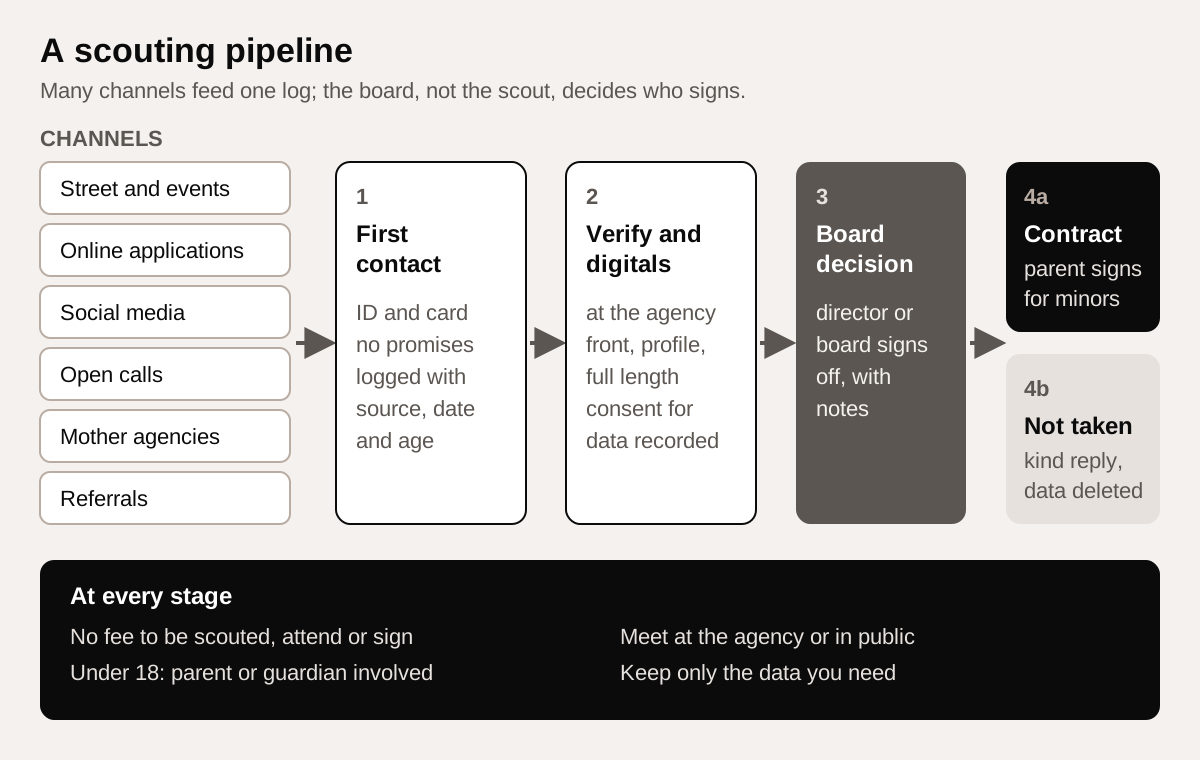
- Define what you need. Which divisions and markets are you scouting for this season? A clear brief stops scouts from bringing in candidates the board cannot place.
- Choose channels. Combine one high-volume channel, such as online applications, with one high-quality channel, such as street scouting or partner agencies.
- Brief your scouts. Give them the approach script, identification, cards and the minors policy in writing.
- Log every contact. One place for all candidates, with source, date, age and consent status.
- Verify and take digitals. At the agency, with a parent present for minors.
- Board decision. The director or board decides, with notes on why, so feedback to the candidate is honest.
- Follow up with everyone. A short, kind reply to those not taken, and deletion of their data on schedule.
- Contract and onboarding. A clear agreement, signed by a parent for minors, and a development plan.
When a candidate signs, send the family to plain-language resources so they understand the industry, such as our sister magazine's overview of how much models make. Release forms for test shoots are in the toolkit.
Try it: Model release form, for first test shoots, so new models and parents see in writing how the images will be used.
Mistakes to avoid
- Promising work. Saying "you will be on a cover" creates expectations no agency controls, and sounds exactly like a scam.
- Contacting minors privately. Always through the parent or guardian.
- Using personal accounts. Scouts should contact people from verified agency channels so candidates can check.
- Keeping every photo forever. Set and follow a retention period.
- Signing on the spot. Give people time, invite them to read the contract with someone they trust.
- Paying scouts only by volume. Rewarding the number of approaches encourages pressure. Reward candidates who are signed and work.
How to become a model scout
Most scouts come from inside the industry: bookers, former models, photographers or stylists who already know what clients book. Agencies look for a strong eye, social ease with strangers, discretion and a track record of decent behavior. Freelance scouts are commonly paid a finder's fee or a share of the agency's commission on the scouted model, under a written agreement that defines when payment is due and for how long. Terms vary widely, so agree them in writing before the first introduction. A scout who wants long-term work should keep careful records: candidates seen, contacts made and outcomes, which show an agency what they actually bring. For a sense of how scouting fits the wider booking team, see our guide to the booking agent role.
Frequently asked questions
How can someone tell if a model scout is real?
A real scout gives their name and agency, shows identification, does not ask for money and points to the agency's official website and phone number. The agency should be able to confirm the scout by phone.
Do legitimate agencies charge to be scouted or signed?
No. Regulators such as the FTC warn against paying upfront fees, UK law restricts agencies from charging fees for finding work, and in New York an agency may not collect a fee for signing a contract.
Can a scout approach someone under 18?
A scout may give a card intended for the parent, but the conversation should continue only with the parent or guardian involved. Local rules on child work, such as licenses or authorizations, also apply to any later booking.
How are model scouts paid?
In-house scouts are usually salaried staff. Freelance scouts are commonly paid a finder's fee or a share of the agency's commission on models they bring, as set out in a written agreement.
What photos should a candidate send to an agency?
Simple, recent digitals in natural light: front, profile and full length, minimal makeup, plain fitted clothing, no filters. Agencies use these to judge the person, not the photography.
How long should an agency keep data on rejected candidates?
Only as long as needed for the stated purpose. Set a retention period, tell candidates what it is, and delete photos and details when it ends.
Sources
- Federal Trade Commission, Consumer Advice: Modeling Scams, 2022
- legislation.gov.uk, Employment Agencies Act 1973, section 6, 1973
- legislation.gov.uk, Children and Young Persons Act 1963, section 37, 1963
- EUR-Lex, Council Directive 94/33/EC on the protection of young people at work, 1994
- EUR-Lex, Regulation (EU) 2016/679, General Data Protection Regulation, 2016
- New York State Department of Labor, Fashion Workers Act: what you need to know, 2025